All Categories
Featured

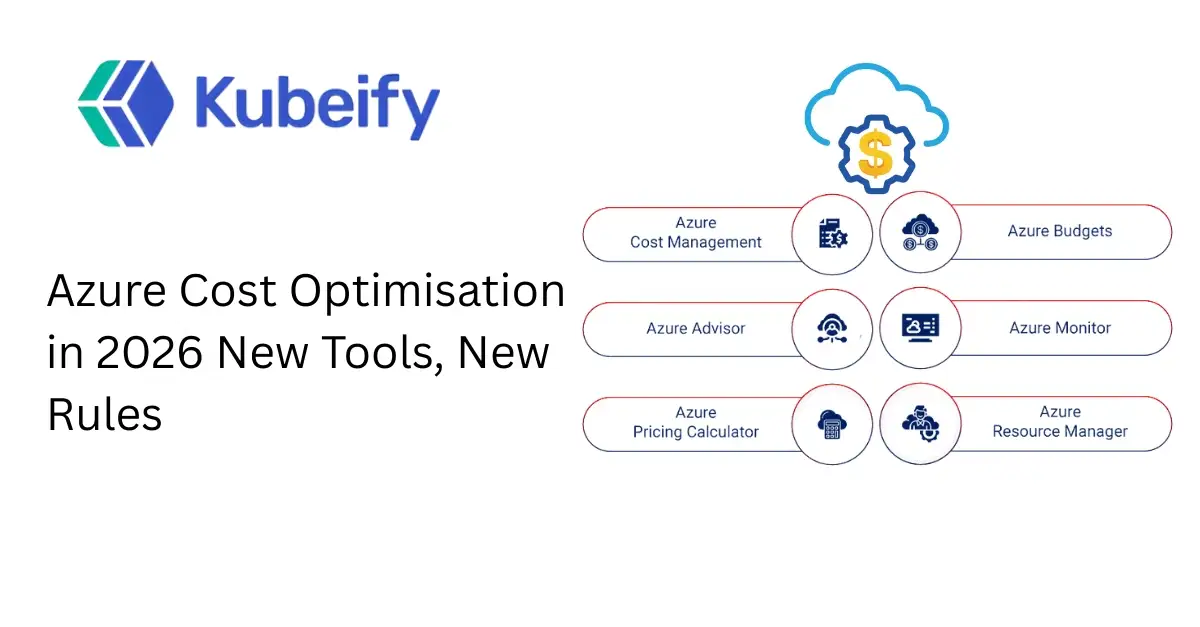
Advancing Enterprise Asset Management Frameworks
Little services should concentrate on 3 priorities: developing clear ownership of IT decisions (even if one individual holds multiple roles), securing delicate data through standard security controls and compliance checks, and aligning innovation spending with business strategy. A lightweight version of COBIT or the ISO/IEC 38500 standard for corporate governance of IT provides a helpful starting structure without requiring a large dedicated group.

Efficient IT governance is not a regulatory concern - it is a competitive lever. Organizations that execute it well make quicker, better-informed technology decisions, protect themselves from costly threat occasions, and extract more value from every IT financial investment. The five-step approach described here - assess, define authority, choose a structure, develop a roadmap, and determine results - provides a practical course from intent to execution.
Whether your organization is developing an IT governance plan from scratch or enhancing an existing structure, the foundation is the very same: clear responsibility, the right framework, and a dedication to continuous enhancement. FAQ What is an IT governance execution plan?+An IT governance application strategy is a structured roadmap that specifies the policies, functions, decision-making processes, and frameworks a company will utilize to align IT operations with company method.
What are the finest IT governance structures to carry out?+The most extensively adopted IT governance frameworks are COBIT (Control Objectives for Information and Related Technology), ITIL (Infotech Facilities Library), ISO/IEC 38500 for corporate governance of IT, and CMMI (Ability Maturity Model Combination). The best option depends upon your company's size, industry, risk profile, and existing processes.

Latest Posts
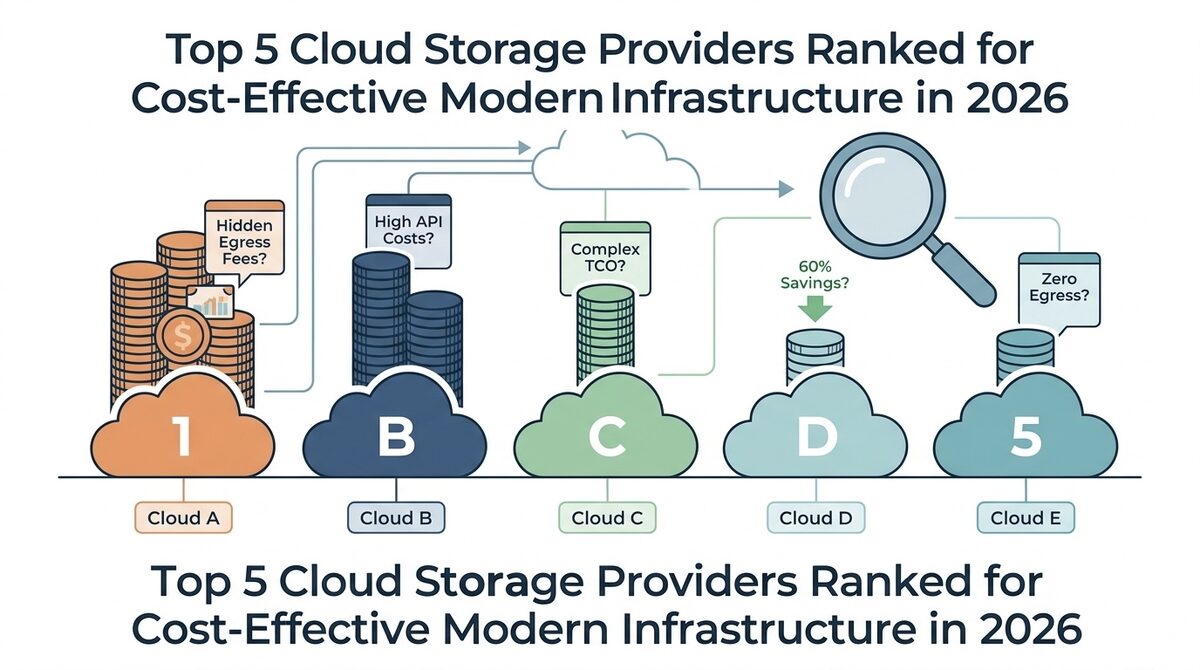
The Future-Proof Roadmap to 2026 IT Management

Comparing Different Asset Management Models
Comparing Centralized Cloud Governance Strategies for 2026